Mediterranean Inspired Charcuterie Platter
Highlighted under: World Cuisine
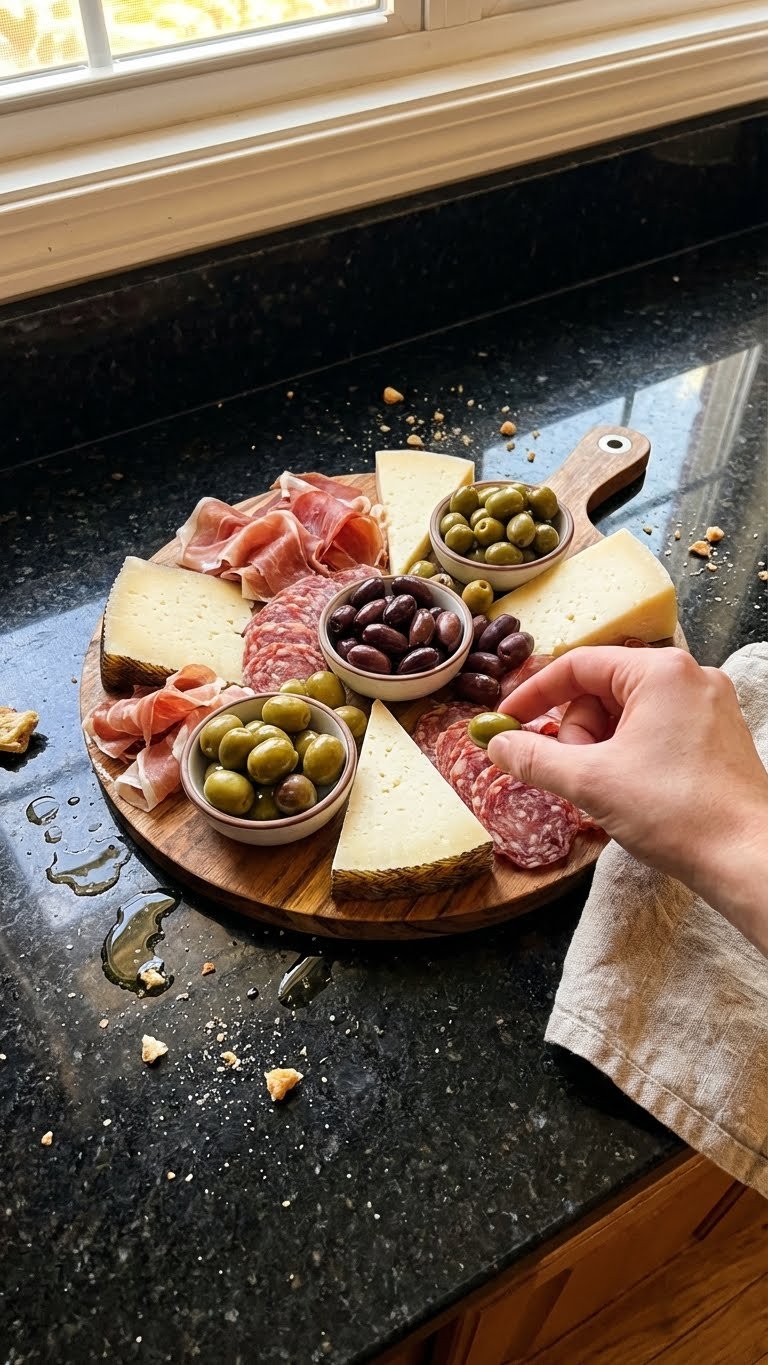
I love creating beautiful charcuterie platters, and this Mediterranean-inspired version is one of my favorites. It's not just visually stunning; it also combines a variety of flavors and textures that come together to create an unforgettable grazing experience. With an assortment of cheeses, cured meats, olives, and fresh produce, it’s perfect for entertaining or a cozy evening at home. I enjoy getting creative with the presentation, and each platter tells a unique story with the ingredients I choose.
As I embarked on creating this Mediterranean charcuterie platter, I was inspired by the vibrant flavors typical of the region. I carefully selected a mix of hard and soft cheeses, spicy salami, and fresh fruits, turning a simple board into a rustic masterpiece. Each bite transports me to a sun-drenched terrace by the sea.
One key tip I discovered is to add a touch of honey to balance the salty elements. This simple addition not only elevates the flavors but also invites unexpected delight with every taste. I relish the joy that comes from sharing this platter with friends and family.
Why You'll Love This Recipe
- A vibrant array of colors and flavors that delight the senses
- Easy to assemble, making it a fun project for casual gatherings
- Great for catering to diverse tastes, from savory to sweet
Choosing the Right Ingredients
Selecting quality ingredients is essential for a standout Mediterranean charcuterie platter. Opt for fresh, high-quality cheeses like a creamy Brie or a rich Manchego to elevate the flavor profile. When selecting cured meats, look for artisanal options; Prosciutto should be thinly sliced and have a bit of marbling for richness, while Chorizo offers a nice spice. Pay attention to freshness when choosing produce; ripe cherry tomatoes and crisp cucumbers will add vibrancy and contrast.
Olives are a crucial component of your platter, bringing briny notes that complement the richness of cheeses and meats. Kalamata olives are a popular choice, but consider using Castelvetrano for their sweetness. For the spreads, homemade hummus or tapenade can enhance the overall experience. Making these spreads ahead of time allows for deeper flavor development, so consider doing this a day prior to serving.
Creative Arrangement Techniques
When arranging your platter, think of it as a canvas and aim for balance and aesthetics. Start with the cheeses, placing wedges or slices in a circular pattern for visual flow. Use various shapes and sizes to create interest, and don't hesitate to layer—stacking thinly sliced meats on top of each other can maximize space and create height. Leaving gaps intentionally not only makes it visually appealing but also gives a sense of abundance.
Don’t forget about textures; mixing crunchy nuts with smooth spreads will create an enjoyable mouthfeel. Place your nuts in small clusters to encourage guests to grab a bit of everything rather than disrupt the arrangement. To keep the platter lively and fresh, consider adding fresh herbs, like mint or basil, which can also serve as a fragrant garnish, enhancing the platter's presentation and smell.
Serving and Storage Tips
For the best flavor, serve your Mediterranean platter at room temperature. This ensures that the cheeses are creamy, and the flavors of the meats are more pronounced. If you're preparing ahead of time, assemble your platter in portions, covering with plastic wrap. This can be done a few hours in advance; however, avoid adding nuts and dried fruits until just before serving to maintain their crunchiness.
If you have leftovers, store them carefully in an airtight container in the refrigerator for up to three days. While ingredients might lose their ideal texture, they can still be repurposed. Add the remaining cheeses and meats to a salad or a grain bowl to create delightful leftovers without sacrificing quality. Remember that prepared spreads can also be frozen for up to three months, allowing you to enjoy them later in various dishes.
Ingredients
Gather the following ingredients to create your Mediterranean-inspired charcuterie platter:
Cheeses
- Feta cheese
- Manchego cheese
- Brie cheese
Cured Meats
- Prosciutto
- Chorizo
- Salami
Fresh Produce
- Cherry tomatoes
- Cucumber slices
- Fresh figs or grapes
Olives and Spreads
- Kalamata olives
- Hummus
- Tapenade
Nuts and Dried Fruits
- Almonds
- Walnuts
- Dried apricots
Accompaniments
- Crackers or pita
- Honey or balsamic glaze
Instructions
Follow these simple steps to assemble your platter:
Prepare the Board
Choose a large wooden board or platter as the base. Start by laying down the cheeses in different sections, allowing enough space for the meats and accompaniments.
Arrange the Meats
Fold the cured meats creatively and place them near the cheeses, ensuring a balanced look and easy access.
Add Fresh Produce
Fill in gaps with fresh produce, such as sliced cucumbers and cherry tomatoes, adding a splash of color.
Incorporate Olives and Spreads
Spoon hummus and tapenade into small bowls and position them on the board alongside the olives.
Finish with Nuts and Dried Fruits
Scatter nuts and dried fruits throughout the platter for extra texture and sweetness, completing your Mediterranean masterpiece.
Drizzle and Serve
Finally, drizzle honey or balsamic glaze over the cheeses for added flavor and serve with crunchy crackers or pita.
Pro Tips
- Mix different types of olives for a variety of flavors. Experiment with seasonal fruits to add freshness and color.
Exploring Flavor Variations
This Mediterranean charcuterie platter is versatile and can be customized based on personal preference or dietary needs. If you're accommodating vegetarian guests, consider substituting meats with marinated artichokes or grilled vegetables like zucchini and bell peppers. A variety of cheeses can also be swapped; for instance, use a nutty Gruyère or sharp aged cheddar for a different taste profile.
To enhance the sweetness aspect, feel free to incorporate seasonal fruit; sliced apples or pears can provide a refreshing contrast, while figs will intensify the Mediterranean flair. Using different honeys—like a spiced or floral variety—can also add an exciting twist. Experiment with different flavors by infusing your spreads with roasted garlic or herbs, which can beautifully complement the other components of the platter.
Troubleshooting and Tips
One common issue with charcuterie platters is overcrowding, leading to a chaotic presentation. To avoid this, lay out your ingredients before assembling to gauge how much fits. Ensure there’s enough breathing space between items, as this not only looks appealing but also allows for easy access. If you find that certain cheeses are too soft, chill them slightly in the refrigerator for about 15 minutes before serving; this can help them hold their shape better.
If you're worrying about flavors clashing, remember that balance is vital. Create a harmonious mix by ensuring that strong flavors, like blue cheese or spicy chorizo, are paired with milder items. Offering a variety of textures will also mitigate any overwhelming flavors. If your guests are unsure where to start, providing toothpicks or small spoons next to spreads can enhance the grazing experience and keep everything tidy.
Questions About Recipes
→ Can I make the platter in advance?
Yes! You can prepare the ingredients ahead of time and assemble the platter a few hours before serving.
→ What can I substitute for the cheeses?
Feel free to use any favorites; goat cheese or aged cheddar also works well.
→ Is this recipe vegetarian?
You can easily make it vegetarian by omitting the cured meats and adding more vegetables.
→ How can I add a personal touch?
Incorporate local artisanal products or family favorites to customize the platter for your guests.
Mediterranean Inspired Charcuterie Platter
Created by: The Highlevelrecipes Team
Recipe Type: World Cuisine
Skill Level: basic
Final Quantity: serves 6
What You'll Need
Cheeses
- Feta cheese
- Manchego cheese
- Brie cheese
Cured Meats
- Prosciutto
- Chorizo
- Salami
Fresh Produce
- Cherry tomatoes
- Cucumber slices
- Fresh figs or grapes
Olives and Spreads
- Kalamata olives
- Hummus
- Tapenade
Nuts and Dried Fruits
- Almonds
- Walnuts
- Dried apricots
Accompaniments
- Crackers or pita
- Honey or balsamic glaze
How-To Steps
Choose a large wooden board or platter as the base. Start by laying down the cheeses in different sections, allowing enough space for the meats and accompaniments.
Fold the cured meats creatively and place them near the cheeses, ensuring a balanced look and easy access.
Fill in gaps with fresh produce, such as sliced cucumbers and cherry tomatoes, adding a splash of color.
Spoon hummus and tapenade into small bowls and position them on the board alongside the olives.
Scatter nuts and dried fruits throughout the platter for extra texture and sweetness, completing your Mediterranean masterpiece.
Finally, drizzle honey or balsamic glaze over the cheeses for added flavor and serve with crunchy crackers or pita.
Extra Tips
- Mix different types of olives for a variety of flavors. Experiment with seasonal fruits to add freshness and color.
Nutritional Breakdown (Per Serving)
- Calories: 250 kcal
- Total Fat: 18g
- Saturated Fat: 8g
- Cholesterol: 30mg
- Sodium: 600mg
- Total Carbohydrates: 18g
- Dietary Fiber: 2g
- Sugars: 4g
- Protein: 10g